Statistician Retirement: Data Science Professional Planning
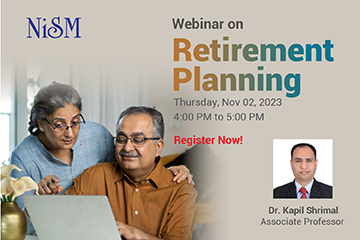
Imagine a career built on numbers, analysis, and insights, suddenly facing the question of what's next. For statisticians eyeing the transition to data science, or data scientists planning for retirement, the path forward can seem less clear than a perfectly clean dataset. But with careful planning, the future can be just as bright, if not brighter, than their professional prime.
Many statisticians and data science professionals, nearing the end of their careers, face a unique set of challenges. There's the matter of staying relevant in a rapidly evolving field. The skill sets that were once cutting-edge can quickly become obsolete. Then there's the financial planning aspect, ensuring that their retirement savings are sufficient to maintain their desired lifestyle. And perhaps most importantly, there's the emotional transition, finding new ways to stay engaged and fulfilled after leaving a career that has defined them for so long.
This article aims to provide guidance and support for statisticians considering a career transition into data science, and for seasoned data science professionals approaching retirement. We'll explore strategies for skill development, financial planning, and finding purpose in the next chapter of their lives.
Whether you are a statistician looking to leverage your skills in the data science world or a data science professional planning your retirement, this guide provides actionable strategies. We will cover continued learning, financial security, finding purpose beyond work, and navigating the emotional aspects of career transitions and retirement. Keywords explored will be: statisticians, data science, retirement planning, career transition, skill development, financial planning, and post-career purpose.
Leveraging Statistical Skills in Data Science
My own journey started with a solid foundation in statistical modeling. I recall a time when I felt like my skills were becoming outdated, as the demand for machine learning and big data expertise grew exponentially. I remember feeling a wave of anxiety, wondering if my carefully cultivated knowledge was becoming obsolete. It was at that moment that I realized I needed to adapt. I began exploring online courses and attending workshops focused on machine learning algorithms and cloud computing. What I soon discovered was that my statistical background was actually a massive advantage. The fundamental understanding of statistical concepts like hypothesis testing, regression, and experimental design proved invaluable when interpreting the results of machine learning models. I was able to understand the underlying assumptions and limitations of these models in a way that many purely technically trained data scientists couldn't. This allowed me to not only build more accurate models but also to communicate their results more effectively to stakeholders. The key, I realized, was not to abandon my statistical roots, but rather to build upon them, incorporating new tools and techniques into my existing framework of knowledge. For statisticians, transitioning into data science is about translating your existing expertise into a new context. Your skills in statistical modeling, experimental design, and data analysis are highly transferable to data science roles. Focus on learning new programming languages like Python or R, and explore machine learning techniques. This transition can open doors to exciting new opportunities.
Financial Planning for Retirement
Retirement is more than just ceasing to work; it's a financial transformation. It requires careful planning to ensure your savings can sustain your desired lifestyle. Begin by estimating your future expenses, considering factors such as healthcare, housing, and leisure activities. Next, assess your current assets, including retirement accounts, investments, and any other sources of income. Work with a financial advisor to create a comprehensive retirement plan that addresses your specific needs and goals. Diversify your investments to mitigate risk, and regularly review your plan to ensure it remains aligned with your changing circumstances. Consider factors like inflation and potential long-term care costs when planning. Many retirement planning tools and calculators are available online to help you estimate your retirement needs and project your future income. Consider consulting with a financial advisor for personalized guidance tailored to your specific financial situation and retirement goals. Financial planning for retirement is a crucial aspect of a data scientist's career. Understanding investment strategies, retirement accounts, and tax implications is essential to ensure a comfortable and secure retirement. Develop a solid financial plan early in your career, and regularly review and adjust it as needed.
The History and Myth of "Retiring"
The concept of retirement has evolved significantly throughout history. In the past, retirement was a luxury reserved for the wealthy, while most individuals worked until they were physically unable to continue. The rise of social security and pension plans in the 20th century made retirement more accessible to the general population. However, the traditional notion of retirement as a complete cessation of work is increasingly being challenged. Many individuals are now opting for "encore careers" or part-time work that allows them to stay engaged and contribute their skills and knowledge. One common myth is that retirement means a complete loss of purpose and identity. However, this is often not the case. Retirement can be an opportunity to pursue new passions, volunteer, travel, or spend more time with loved ones. It's important to redefine retirement as a new chapter in life, rather than simply the end of one's career. Retirement can be an opportunity to pursue new interests, contribute to society, and enjoy a fulfilling life outside of work. The key is to plan ahead, stay active, and maintain a sense of purpose.
The Hidden Secrets of a Fulfilling Retirement
A fulfilling retirement isn't just about financial security; it's about finding new sources of purpose and fulfillment. The hidden secret is to proactively plan for your post-career life. This includes identifying your passions and interests, developing new skills, and building a strong social network. Consider volunteering, taking up a new hobby, or pursuing lifelong learning opportunities. Stay physically active and maintain a healthy lifestyle. Engage in activities that bring you joy and connect you with others. Another secret is to embrace flexibility and be open to new experiences. Retirement can be a time of exploration and discovery. Don't be afraid to try new things and step outside of your comfort zone. A fulfilling retirement is not about avoiding work, but about finding meaningful ways to spend your time and energy. It's about creating a life that is both enjoyable and purposeful. Retirement is a journey of self-discovery. Embrace the opportunity to explore new interests, connect with loved ones, and contribute to your community. Prioritize your physical and mental well-being, and stay active and engaged.
Recommendations for Statisticians and Data Scientists
For statisticians considering a move to data science, I strongly recommend focusing on practical skills. While your theoretical knowledge is valuable, employers often seek candidates with experience in programming, machine learning, and data visualization. Take online courses, contribute to open-source projects, and build a portfolio showcasing your abilities. For data science professionals nearing retirement, start planning early. Assess your financial situation, explore your interests, and consider how you want to spend your time after leaving your job. Talk to other retirees to learn from their experiences and gain insights. Don't be afraid to experiment with different activities and find what brings you joy and fulfillment. Consider working part-time or consulting to stay engaged in the field and supplement your income. Embrace the transition and see it as an opportunity to create a new and exciting chapter in your life. Continued education and skill development are key to remaining relevant in the data science field. For those nearing retirement, mentoring junior colleagues can be a rewarding way to share your expertise and contribute to the profession.
Continued Learning and Skill Development
The field of data science is constantly evolving, so it's essential to stay up-to-date with the latest trends and technologies. This means continuously learning new skills and expanding your knowledge base. There are many ways to approach continued learning, including online courses, workshops, conferences, and self-study. Focus on areas that are relevant to your career goals and that align with your interests. Don't be afraid to experiment with new tools and techniques. The more you learn, the more valuable you will be to employers and the more opportunities will be available to you. Furthermore, consider pursuing certifications or advanced degrees to enhance your credentials and demonstrate your expertise. Networking with other data scientists can also be a valuable way to learn about new trends and opportunities. Attend industry events, join online communities, and connect with colleagues on social media. By staying connected and continuously learning, you can ensure that your skills remain relevant and that you are well-prepared for the future of data science. Staying abreast of new technologies and methodologies is crucial for data scientists. Online courses, conferences, and industry publications can help you stay informed. Consider specializing in a niche area to differentiate yourself and become an expert in a high-demand field.
Tips for a Smooth Transition
Planning a smooth transition, whether into data science or into retirement, requires careful consideration and proactive steps. For statisticians moving into data science, networking is key. Attend industry events, connect with data scientists on Linked In, and seek mentorship from experienced professionals. This will help you learn about the industry, identify job opportunities, and build valuable relationships. For data scientists approaching retirement, start gradually transitioning out of your role. Consider reducing your hours, taking on a mentorship role, or delegating responsibilities to junior colleagues. This will help you ease into retirement and avoid feeling overwhelmed by the sudden change. Communicate your plans with your employer and colleagues to ensure a smooth handover of your responsibilities. Take time to reflect on your career accomplishments and celebrate your successes. This will help you feel a sense of closure and move forward with confidence. A well-planned transition can make a significant difference in your overall well-being. Whether you're transitioning into data science or retirement, preparation is key. Create a plan, set realistic goals, and seek support from others. With careful planning, you can navigate these transitions successfully and create a fulfilling future.
Staying Active and Engaged
Retirement is not the end of activity, but rather a shift in focus. Staying active and engaged is crucial for maintaining your physical and mental well-being. This can involve pursuing hobbies, volunteering, traveling, or spending time with loved ones. Find activities that bring you joy and that provide you with a sense of purpose. Consider joining clubs or organizations that align with your interests. Stay connected with your community and build strong social relationships. Regular exercise and a healthy diet are also essential for maintaining your physical health. Challenge yourself mentally by learning new skills, reading books, or engaging in stimulating conversations. Staying active and engaged will help you feel energized, fulfilled, and connected to the world around you. Maintaining social connections is vital for retirees. Join clubs, volunteer, or participate in community events to stay engaged and connected with others. Consider taking up new hobbies or pursuing lifelong learning opportunities to keep your mind active and stimulated.
Fun Facts About Statisticians and Data Scientists
Did you know that Florence Nightingale, the famous nurse, was also a pioneer in data visualization? She used statistical charts to persuade Queen Victoria to improve hygiene in military hospitals. Or that the term "artificial intelligence" was coined at a Dartmouth workshop in 1956? Statisticians and data scientists have played a crucial role in shaping our world, from developing life-saving medicines to predicting election outcomes. The field of data science is rapidly growing, with new tools and techniques emerging every day. This makes it an exciting and dynamic field to be a part of. Data science is also becoming increasingly interdisciplinary, drawing on expertise from fields such as mathematics, computer science, and business. This diversity of perspectives makes data science a rich and rewarding field to work in. The impact of data science is felt across all industries, from healthcare to finance to entertainment. Data scientists are helping organizations make better decisions, improve efficiency, and create innovative products and services. Data science is more than just numbers and algorithms; it's about solving real-world problems and making a positive impact on society.
How to Embrace the Next Chapter
Embracing the next chapter, whether it's a transition to data science or retirement, requires a positive mindset and a willingness to embrace change. Start by identifying your goals and aspirations for the future. What do you want to achieve in your new role or in your retirement years? Create a plan to achieve these goals, and break it down into smaller, manageable steps. Focus on the positive aspects of the transition and avoid dwelling on any fears or anxieties. Surround yourself with supportive people who can encourage you and provide guidance. Be open to new experiences and be willing to step outside of your comfort zone. Remember that change is a natural part of life, and that it can lead to new opportunities and growth. Embrace the unknown and see it as an adventure. Cultivate a sense of gratitude for the experiences and opportunities that you have had in the past. This will help you appreciate the present and look forward to the future with optimism. The key is to approach the next chapter with enthusiasm, curiosity, and a belief in yourself.
What If You're Unsure?
It's perfectly normal to feel unsure about transitioning to data science or retirement. These are significant life changes, and it's important to take the time to explore your options and make informed decisions. If you're unsure about transitioning to data science, consider taking an introductory course or attending a workshop to learn more about the field. Talk to data scientists and ask them about their experiences. Research different career paths within data science and identify those that align with your skills and interests. If you're unsure about retirement, start by assessing your financial situation and estimating your retirement needs. Explore different lifestyle options and consider how you want to spend your time after leaving your job. Talk to other retirees and learn from their experiences. Don't feel pressured to make a decision until you're ready. It's okay to take your time and weigh your options carefully. Seeking guidance from a career counselor or financial advisor can also be helpful. These professionals can provide you with objective advice and support as you navigate these transitions. The most important thing is to trust your instincts and make the decision that feels right for you.
Listicle: Top 5 Tips for Statisticians Transitioning to Data Science
Here's a quick list of things you should know if you are a statistician transitioning to Data Science:
1. Learn Programming: Master Python or R to manipulate data and build models.
2. Embrace Machine Learning: Familiarize yourself with algorithms like regression, classification, and clustering.
3. Data Visualization: Hone your skills in creating compelling visuals to communicate insights.
4. Big Data Technologies: Explore tools like Hadoop, Spark, and cloud computing platforms.
5. Network and Collaborate: Attend industry events and connect with other data scientists.
Transitioning from statistics to data science can be a natural progression, leveraging your existing analytical skills to tackle new challenges. The ability to interpret data, identify patterns, and communicate findings is invaluable in the data science world. Embrace continuous learning, stay curious, and adapt to the evolving landscape of the field. This adaptability will open doors to exciting new opportunities and allow you to make a significant impact in various industries. Consider specializing in a specific domain, such as healthcare or finance, to further enhance your expertise and marketability. Remember that your statistical background provides a solid foundation for success in data science.
Question and Answer
Q: I'm a statistician considering a career change to data science. What skills should I focus on developing?
A: Focus on learning programming languages like Python or R, machine learning techniques, data visualization tools, and big data technologies like Hadoop or Spark. Your statistical background is a great foundation; now build on it with these technical skills.
Q: I'm nearing retirement as a data scientist. How can I ensure a comfortable financial future?
A: Develop a comprehensive financial plan with a financial advisor. Assess your assets, estimate your future expenses, and diversify your investments. Consider factors like inflation and healthcare costs.
Q: I'm worried about losing my sense of purpose after retirement. What can I do to stay engaged and fulfilled?
A: Explore your passions and interests outside of work. Consider volunteering, taking up a new hobby, or pursuing lifelong learning opportunities. Stay physically active and maintain a strong social network.
Q: What are some common myths about retirement that I should be aware of?
A: One common myth is that retirement means a complete loss of purpose. Retirement can be an opportunity to pursue new passions, volunteer, travel, or spend more time with loved ones. Redefine retirement as a new chapter in life, rather than simply the end of one's career.
Conclusion of Statistician Retirement: Data Science Professional Planning
Statisticians transitioning to data science and data science professionals planning for retirement face unique challenges and opportunities. By focusing on continued learning, financial planning, and finding purpose beyond work, both groups can navigate these transitions successfully. For statisticians, embracing new technologies and programming skills is crucial. For data scientists, planning for a fulfilling retirement involves financial security and discovering new passions. With careful planning and a proactive approach, the future can be bright and rewarding for both statisticians and data science professionals.
Post a Comment