Economist Retirement: Financial Academic Professional Planning
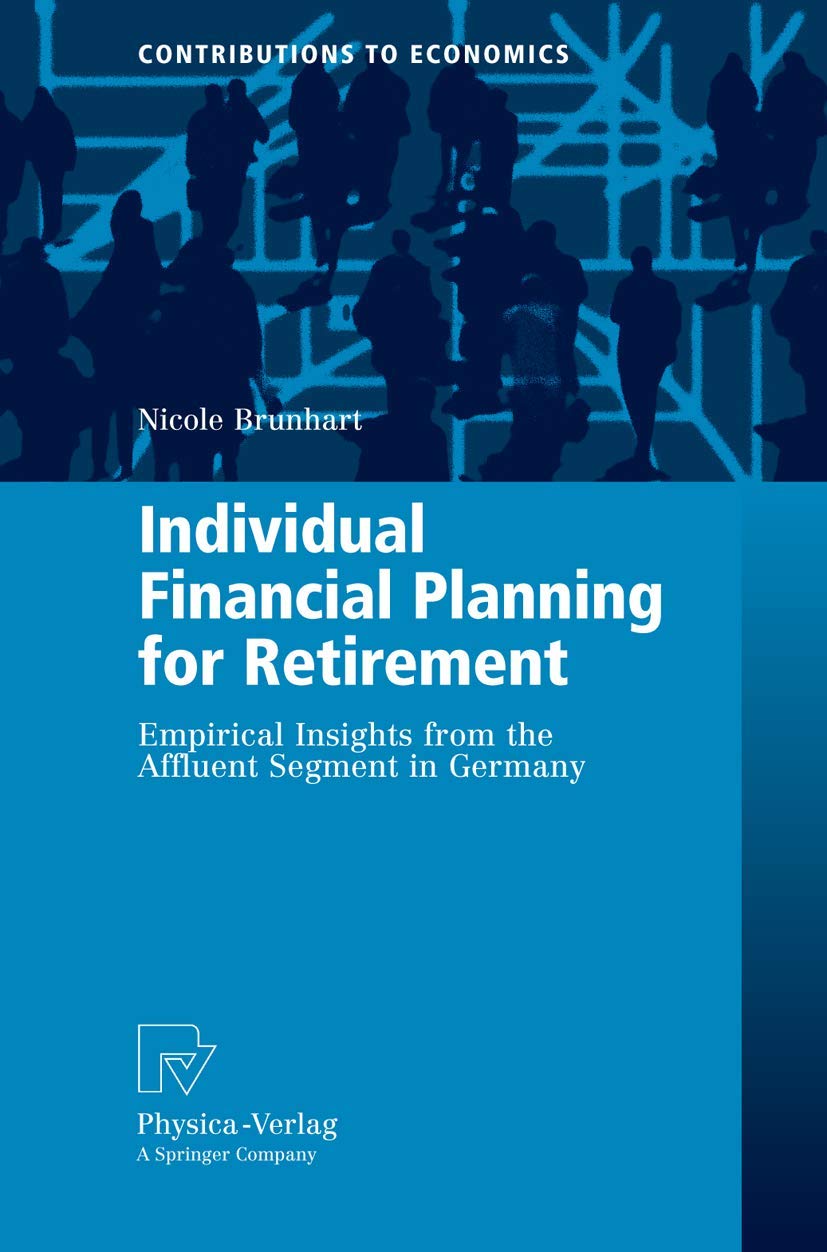
Imagine spending your career delving into complex economic models, advising governments, and shaping policy. Now, picture yourself nearing the end of that career. Have you adequately prepared for the next chapter, a life of leisure and intellectual pursuits? The transition from a demanding professional life to retirement requires careful planning, particularly for those in intellectually rigorous and financially nuanced fields like economics.
The reality for many economists, especially those in academia, can be quite unsettling. Years of dedication to research and teaching might not always translate into a secure and comfortable retirement. The complexities of investment strategies, navigating pension plans, and understanding the impact of fluctuating markets can create significant worries, even for those who possess a strong understanding of economic principles. The pressure to publish, secure grants, and maintain a high level of professional engagement can sometimes overshadow the importance of personal financial planning.
This blog post aims to shed light on the unique considerations for economists and other financial academic professionals as they approach retirement. We will delve into the intricacies of financial planning, explore strategies for maximizing retirement income, and offer guidance on navigating the challenges of transitioning from a career-focused life to a fulfilling retirement.
Preparing for retirement requires a multifaceted approach, especially for economists and other academic professionals. This includes understanding pension plans, making informed investment decisions, considering tax implications, and developing a comprehensive financial strategy. The goal is to ensure a financially secure and intellectually stimulating retirement, allowing you to enjoy the fruits of your labor without financial anxieties.
Tailoring Financial Strategies for Economists
My father, a professor of economics, always seemed to have a firm grasp on global markets and economic trends. However, when it came to his own retirement planning, he often felt overwhelmed. He knew the theory but struggled with the practical application. I remember helping him sort through various investment options, deciphering the fine print of his pension plan, and trying to create a budget that would allow him to maintain his standard of living while pursuing his passions. It was a learning experience for both of us. Economists often spend their careers analyzing financial systems, but the application of these principles to their personal finances can be a different ballgame. The challenge lies in translating complex economic models into actionable strategies for personal wealth management. This includes optimizing investment portfolios, considering the impact of inflation and taxes, and planning for potential healthcare expenses. Tailoring financial strategies specifically for economists involves recognizing their unique skill sets and addressing their specific concerns. It necessitates a personalized approach that takes into account their risk tolerance, financial goals, and the complexities of their profession. It also involves recognizing the importance of ongoing education and adaptation in a constantly changing financial landscape. They need to seek specialized financial advice in all aspects of their finances, including legal and tax. Estate planning for high net worth individuals also becomes a necessity.
Understanding Investment Options for Retirement
Choosing the right investment options is crucial for a secure retirement. For economists, who are often well-versed in financial markets, this might seem straightforward. However, the vast array of investment vehicles available can be overwhelming, and making informed decisions requires a thorough understanding of each option. Understanding investment options is paramount for economists planning their retirement. This goes beyond a general understanding of financial markets and delves into the specific characteristics of various investment vehicles, such as stocks, bonds, mutual funds, ETFs, and real estate. It involves assessing the risk and return profiles of each option, considering factors like inflation, interest rates, and market volatility. It also necessitates understanding the tax implications of different investment choices and optimizing investment strategies for tax efficiency. Furthermore, it requires a long-term perspective and the ability to adapt investment strategies as circumstances change. Diversification is a key principle in retirement planning, and economists should strive to create a well-balanced portfolio that aligns with their risk tolerance and financial goals. This may involve allocating assets across different asset classes, sectors, and geographic regions. Seeking professional financial advice can be invaluable in navigating the complexities of investment options and making informed decisions. A financial advisor can provide personalized guidance based on individual circumstances and help economists develop a comprehensive retirement plan that maximizes their chances of achieving financial security.
The History and Evolution of Retirement Planning for Economists
Retirement planning, as we know it today, is a relatively modern concept. Historically, many individuals worked until they were no longer physically able, relying on family or charitable support in their later years. The rise of formal retirement systems, such as Social Security and employer-sponsored pension plans, has transformed the landscape of retirement. The history of retirement planning for economists reflects broader trends in the development of retirement systems and financial markets. In the past, economists often relied on traditional pension plans and personal savings to fund their retirement. However, the shift towards defined contribution plans, such as 401(k)s, has placed greater responsibility on individuals to manage their own retirement savings. This has created both opportunities and challenges for economists, who must navigate the complexities of investment management and financial planning. The evolution of financial markets and the increasing availability of investment products have also impacted retirement planning for economists. The rise of online brokerages, robo-advisors, and financial planning software has made it easier for individuals to access information and manage their investments. However, it has also increased the risk of making uninformed decisions or falling prey to financial scams. As retirement planning has become more complex, the need for professional financial advice has grown. Many economists seek the guidance of financial advisors to help them develop comprehensive retirement plans that address their specific needs and goals. The future of retirement planning for economists is likely to be shaped by factors such as increasing longevity, rising healthcare costs, and the ongoing evolution of financial markets. Adapting to these changes will require a proactive approach to financial planning and a willingness to embrace new technologies and strategies.
Unveiling the Hidden Secrets of Retirement Income Streams
Beyond traditional investment strategies, there are often overlooked sources of retirement income that economists should explore. These can include part-time consulting work, teaching opportunities, or even leveraging their expertise through writing or public speaking. Unveiling the hidden secrets of retirement income streams is crucial for maximizing financial security in retirement. These secrets often involve identifying and leveraging untapped resources or opportunities to generate additional income. One hidden secret is the potential for part-time consulting work. Economists often possess valuable expertise and experience that can be marketable to businesses, government agencies, or non-profit organizations. Engaging in consulting work can provide a steady stream of income while allowing economists to stay active and engaged in their field. Another hidden secret is the potential for teaching opportunities. Many universities and colleges offer part-time teaching positions, which can be a rewarding way for economists to share their knowledge and earn additional income. Furthermore, some economists may find opportunities to leverage their expertise through writing or public speaking. Publishing articles, books, or giving presentations can generate income and enhance their professional reputation. In addition to these active income streams, there are also passive income strategies that economists should consider. These may include investing in rental properties, dividend-paying stocks, or creating online courses or resources. By diversifying their income streams, economists can reduce their reliance on traditional retirement accounts and enhance their overall financial stability. Seeking professional financial advice can be invaluable in uncovering these hidden secrets and developing a comprehensive retirement income plan. A financial advisor can help economists assess their skills and resources, identify potential income opportunities, and develop strategies for maximizing their retirement income.
Recommendations for a Secure and Fulfilling Retirement
For economists, the transition to retirement can be an opportunity to pursue passions, travel, and engage in intellectually stimulating activities. However, a secure and fulfilling retirement requires careful planning and preparation. My recommendations for a secure and fulfilling retirement for economists are multifaceted and encompass financial, personal, and professional considerations. First and foremost, it is crucial to develop a comprehensive financial plan that addresses all aspects of retirement income, expenses, and investments. This plan should be tailored to individual circumstances and goals, taking into account factors such as risk tolerance, time horizon, and desired lifestyle. It is also essential to regularly review and update the plan to reflect changing circumstances. In addition to financial planning, it is important to consider personal and professional goals for retirement. This may involve pursuing hobbies, traveling, volunteering, or engaging in lifelong learning. Many economists find that staying active and engaged in their field can be a fulfilling way to spend their retirement years. This may involve consulting, teaching, writing, or participating in research projects. Building a strong social network is also crucial for a happy and fulfilling retirement. This may involve maintaining relationships with colleagues, joining social clubs, or volunteering in the community. Furthermore, it is important to prioritize health and well-being. This includes maintaining a healthy diet, exercising regularly, and getting enough sleep. Seeking professional financial advice can be invaluable in developing a comprehensive retirement plan that addresses all of these factors. A financial advisor can provide personalized guidance based on individual circumstances and help economists make informed decisions about their retirement finances, personal goals, and overall well-being.
The Importance of Estate Planning
Estate planning is a crucial aspect of retirement planning, particularly for economists who may have accumulated significant assets over their careers. Estate planning involves making arrangements for the distribution of assets after death, minimizing estate taxes, and ensuring that wishes are carried out. Estate planning encompasses a range of legal and financial considerations. It involves creating a will, which outlines how assets will be distributed to heirs. It also involves establishing trusts, which can be used to manage assets and provide for beneficiaries. Furthermore, estate planning involves minimizing estate taxes, which can significantly reduce the amount of assets that are passed on to heirs. Economists should work with an estate planning attorney to develop a comprehensive estate plan that addresses their specific needs and goals. This plan should be regularly reviewed and updated to reflect changing circumstances. The importance of estate planning extends beyond financial considerations. It also involves ensuring that wishes are carried out regarding healthcare decisions and end-of-life care. This may involve creating a living will, which outlines healthcare preferences in the event of incapacitation. It may also involve designating a healthcare proxy, who can make healthcare decisions on behalf of the individual. Estate planning is an essential part of retirement planning for economists. By taking the time to develop a comprehensive estate plan, economists can ensure that their assets are protected and that their wishes are carried out. They should remember to update this plan as life changes occur such as new children, divorce, remarriage, and more.
Retirement Budgeting: Living Comfortably on a Fixed Income
Creating a retirement budget is essential for managing finances effectively and ensuring a comfortable lifestyle on a fixed income. This involves estimating income sources, projecting expenses, and identifying potential areas for savings. Retirement budgeting requires a realistic assessment of income and expenses. Income sources may include Social Security benefits, pension payments, investment income, and part-time work. Expenses may include housing, food, transportation, healthcare, entertainment, and travel. It is important to account for both fixed expenses, which remain relatively constant, and variable expenses, which can fluctuate. Once income and expenses have been estimated, it is possible to create a budget that outlines how income will be allocated to different categories of expenses. This budget should be regularly reviewed and adjusted as needed to reflect changing circumstances. Retirement budgeting also involves identifying potential areas for savings. This may involve reducing discretionary spending, refinancing debt, or downsizing housing. It is important to prioritize essential expenses and make adjustments to non-essential expenses as needed. Living comfortably on a fixed income requires careful planning and discipline. However, with a well-crafted budget and a commitment to responsible spending, it is possible to maintain a comfortable lifestyle and achieve financial security in retirement. Economists need to track all expenses to budget successfully. Many apps allow for tracking and categorizing expenses to make this process easier.
Navigating Healthcare Costs in Retirement
Healthcare costs are a significant concern for retirees, and economists need to plan accordingly to ensure they can afford the care they need. This involves understanding Medicare, supplemental insurance options, and long-term care expenses. Navigating healthcare costs in retirement requires a thorough understanding of Medicare, the federal health insurance program for people age 65 and older. Medicare consists of several parts, including Part A (hospital insurance), Part B (medical insurance), Part C (Medicare Advantage), and Part D (prescription drug insurance). Each part covers different healthcare services, and individuals need to choose the coverage that best meets their needs. In addition to Medicare, many retirees purchase supplemental insurance, such as Medigap policies, to cover out-of-pocket expenses. These policies can help to reduce the financial burden of healthcare costs. Long-term care expenses are another significant concern for retirees. Long-term care includes services such as nursing home care, assisted living, and home healthcare. These services can be very expensive, and many retirees are not prepared to pay for them out of pocket. Economists should consider purchasing long-term care insurance to protect themselves from the financial risks of long-term care expenses. Furthermore, it is important to prioritize preventative care and maintain a healthy lifestyle to reduce the risk of developing chronic health conditions. This can help to minimize healthcare costs and improve overall health and well-being. Planning for healthcare costs is an essential part of retirement planning for economists. By understanding Medicare, supplemental insurance options, and long-term care expenses, economists can ensure they can afford the care they need in retirement.
Fun Facts About Retirement and Financial Planning
Did you know that the average retirement lasts longer than most people think? Or that the earlier you start saving, the less you need to save overall? Retirement and financial planning can seem daunting, but there are also some fun and interesting facts that can make the process more engaging. One fun fact is that the average retirement lasts for about 18 years. This means that retirees need to plan for a significant period of time and ensure that they have enough savings to cover their expenses. Another fun fact is that the earlier you start saving for retirement, the less you need to save overall. This is because the power of compounding allows investments to grow exponentially over time. Starting early can make a big difference in the amount of money you accumulate by retirement. Furthermore, did you know that there are many different ways to save for retirement? In addition to traditional retirement accounts, such as 401(k)s and IRAs, there are also other investment vehicles, such as stocks, bonds, and real estate. Diversifying investments can help to reduce risk and increase returns. Retirement and financial planning can also be a fun and rewarding experience. It is an opportunity to set goals, make plans, and take control of your financial future. By learning about the different aspects of retirement planning and working with a financial advisor, economists can make informed decisions and achieve their retirement goals. It is an opportunity to learn new skills and take control of your financial future.
How to Maximize Social Security Benefits
Social Security benefits are a crucial source of income for many retirees, and understanding how to maximize these benefits is essential for a secure retirement. This involves knowing when to claim benefits, understanding the impact of working while receiving benefits, and exploring spousal and survivor benefits. Maximizing Social Security benefits requires a strategic approach to claiming benefits. The age at which you claim benefits can significantly impact the amount of money you receive. Claiming benefits before your full retirement age (FRA) will result in a reduced benefit, while claiming benefits after your FRA will result in an increased benefit. The decision of when to claim benefits depends on individual circumstances, such as health, financial needs, and life expectancy. It is important to understand the impact of working while receiving Social Security benefits. If you work while receiving benefits before your FRA, your benefits may be reduced. However, once you reach your FRA, there is no limit on how much you can earn without affecting your benefits. Furthermore, it is important to explore spousal and survivor benefits. Spouses may be eligible to receive benefits based on their spouse's earnings record, even if they have never worked. Survivor benefits are available to surviving spouses and dependents of deceased workers. Understanding these benefits can help to maximize the overall income available to a family. Social Security benefits are a complex topic, and it is important to consult with a financial advisor or Social Security Administration representative to understand how they apply to your specific situation. By understanding the rules and strategies for maximizing Social Security benefits, economists can ensure they receive the maximum amount of income available to them in retirement. The SSA.gov website is also very helpful for understanding what is available.
What If I Haven't Saved Enough for Retirement?
It's a common worry: "What if I haven't saved enough?" The good news is, there are still options. This might involve adjusting your retirement lifestyle, working part-time, or exploring alternative income streams. If you haven't saved enough for retirement, it is important to take action as soon as possible. The first step is to assess your current financial situation and determine how much you need to save to achieve your retirement goals. This may involve creating a budget, reviewing your investment portfolio, and estimating your future expenses. Once you have a clear understanding of your financial situation, you can begin to explore different strategies for increasing your savings. One option is to adjust your retirement lifestyle. This may involve downsizing your home, reducing discretionary spending, or delaying retirement. Another option is to work part-time during retirement. This can provide a steady stream of income and help to supplement your savings. Furthermore, you can explore alternative income streams, such as consulting, freelancing, or starting a business. If you are behind on your retirement savings, it is important to seek professional financial advice. A financial advisor can help you develop a plan for catching up and maximizing your chances of achieving your retirement goals. This plan may involve increasing your savings rate, reallocating your investments, or exploring different retirement planning strategies. It is never too late to start saving for retirement. By taking action now, you can still achieve a secure and fulfilling retirement, even if you haven't saved as much as you would like.
Top 10 Retirement Planning Tips for Economists
Let's boil it down. Here's a quick list of essential tips to keep in mind as you plan for your future.
Here are ten essential retirement planning tips for economists:
- Start saving early and consistently.
- Develop a comprehensive financial plan.
- Diversify your investments.
- Maximize Social Security benefits.
- Plan for healthcare costs.
- Consider long-term care insurance.
- Create a retirement budget.
- Seek professional financial advice.
- Stay active and engaged.
- Review and update your plan regularly.
These tips can help you to achieve financial security and a fulfilling retirement. Economists need a plan.
Start Early: The power of compounding is greatest when you start early. Financial Plan: A detailed plan helps you stay on track with your goals. Diversify: Spreading investments reduces risk. Social Security Strategy: Claiming at the right time maximizes your benefits. Healthcare Preparedness: Understanding and planning for healthcare costs is crucial. Long-Term Care: Consider insurance to cover potential long-term care needs. Budgeting for Retirement: Managing your income and expenses effectively. Professional Advice: A financial advisor offers personalized guidance. Stay Active: Maintaining physical and mental health contributes to a fulfilling retirement. Regular Review: Life changes require adjustments to your retirement plan.
Question and Answer
Q: What are the biggest challenges economists face when planning for retirement?
A: One of the biggest challenges is transitioning from a career focused on analyzing markets to managing their own personal finances effectively. Also, economists may have complex investment portfolios and diverse income streams, requiring careful coordination.
Q: How can economists ensure they have enough money to retire comfortably?
A: Create a comprehensive financial plan, start saving early, diversify investments, maximize Social Security benefits, and consider part-time work or alternative income streams during retirement.
Q: What role does professional financial advice play in retirement planning for economists?
A: A financial advisor can provide personalized guidance, help navigate complex investment options, develop a tailored retirement plan, and ensure that the plan is regularly reviewed and updated.
Q: What are some often-overlooked aspects of retirement planning that economists should consider?
A: Estate planning, long-term care insurance, healthcare costs, and exploring alternative income streams can be overlooked but are crucial for a secure and fulfilling retirement.
Conclusion of Economist Retirement: Financial Academic Professional Planning
Retirement planning for economists requires a proactive and multifaceted approach. By understanding the unique challenges and opportunities in the financial landscape, they can develop a personalized strategy for a secure and fulfilling retirement. From tailored financial strategies to uncovering hidden income streams, economists can leverage their expertise and knowledge to enjoy the fruits of their labor without financial anxieties. With careful planning, disciplined execution, and ongoing adaptation, economists can confidently transition into a well-deserved retirement.
Post a Comment