University Employee Retirement: Higher Education Benefits
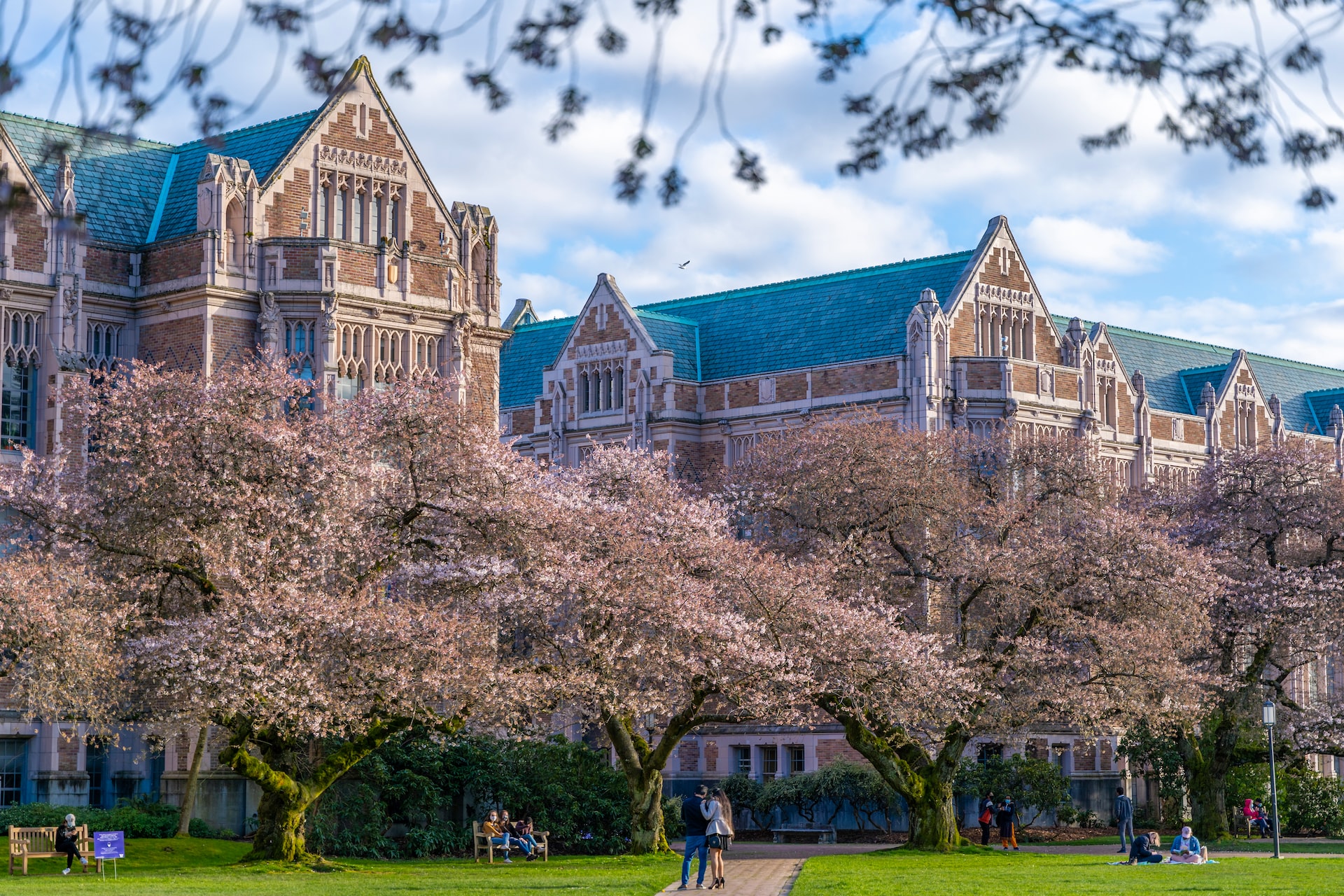
Imagine a future where your years of dedication to higher education translate into a comfortable and secure retirement. Seems like a distant dream? It doesn't have to be. Let's explore how university employee retirement plans work, and how to make the most of them!
Navigating the world of university employee retirement benefits can often feel overwhelming. Sorting through complex jargon, understanding different investment options, and figuring out how to optimize your contributions for the long term can create confusion and uncertainty about your financial future. The feeling of being lost in the details is very real, and that can be unsettling.
This post aims to demystify university employee retirement benefits for higher education employees. We will explore the various aspects of these plans, providing you with the knowledge and resources needed to make informed decisions about your retirement savings. Let's empower you to plan for a financially secure future after your years of service to academia.
This article breaks down the complexities of university employee retirement benefits. We cover key topics such as contribution options, investment choices, vesting schedules, and distribution rules. Understanding these elements empowers you to take control of your financial future and ensure a comfortable retirement. Key terms include retirement plans, higher education benefits, investment options, vesting, and financial planning.
Understanding Your Contribution Options
For years, I diligently contributed the standard amount to my university's retirement plan, thinking I was doing enough. It wasn't until a financial advisor pointed out the potential for significantly increasing my retirement savings by maxing out my contributions that I realized I had been leaving money on the table. This experience highlighted the importance of truly understanding all available contribution options within your university's retirement plan. Exploring different options can dramatically impact your long-term financial security.
Your university's retirement plan likely offers several contribution options, each with its own advantages. These might include pre-tax contributions, Roth contributions (after-tax), and employer matching contributions. Pre-tax contributions reduce your current taxable income, while Roth contributions allow for tax-free withdrawals in retirement. Employer matching contributions are essentially "free money" that your university adds to your retirement account based on your own contributions. Understanding the specifics of each option allows you to tailor your contributions to your individual financial circumstances and goals. For example, if you anticipate being in a higher tax bracket in retirement, Roth contributions may be more beneficial. Conversely, if you are currently in a high tax bracket, pre-tax contributions may provide more immediate tax relief. Don't be afraid to seek guidance from a financial advisor to determine the most optimal contribution strategy for your situation. Remember, maximizing your contributions, especially when combined with employer matching, is a powerful tool for building a substantial retirement nest egg. Review your options and contribute accordingly.
Decoding Investment Choices
University retirement plans often offer a range of investment options, from conservative bond funds to more aggressive stock funds. Understanding the risk-return profile of each option is critical for building a portfolio that aligns with your risk tolerance and time horizon. A younger employee with a longer time horizon may be comfortable with a higher allocation to stocks, while an employee closer to retirement may prefer a more conservative approach with a greater emphasis on bonds. Diversification is also key – spreading your investments across different asset classes can help reduce risk. Familiarize yourself with the different investment options available through your university's retirement plan, carefully consider your risk tolerance and time horizon, and diversify your investments to create a well-balanced portfolio that maximizes your potential for long-term growth.
The History and Myths of University Retirement Plans
The history of university retirement plans is interesting. Many originated in the early to mid-20th century as institutions sought ways to attract and retain talented faculty and staff. Early plans were often defined benefit plans, guaranteeing a specific retirement income based on years of service and salary. Over time, many universities transitioned to defined contribution plans, such as 403(b) plans, where the employee bears the investment risk. One common myth is that university retirement plans are automatically sufficient to provide a comfortable retirement. While these plans are a valuable benefit, they are often not enough on their own. Supplementing your university retirement plan with personal savings and other investments is crucial for achieving your retirement goals. Another myth is that you should simply "set it and forget it." Regularly reviewing your investment allocations and contribution levels is essential to ensure your plan remains aligned with your goals and risk tolerance. Don’t fall victim to these myths. Actively engage with your retirement plan to ensure it meets your needs.
Unveiling Hidden Secrets of Vesting Schedules
One often overlooked aspect of university retirement plans is the vesting schedule. Vesting refers to the point at which you have full ownership of the employer contributions to your retirement account. In other words, if you leave your university before becoming fully vested, you may forfeit some or all of the employer contributions. Vesting schedules vary from university to university, so it's important to understand the specifics of your own plan. Some plans have a cliff vesting schedule, where you become fully vested after a certain number of years, while others have a graded vesting schedule, where you gradually become vested over time. Understanding the vesting schedule is crucial for making informed decisions about your employment and retirement planning. For example, if you are considering leaving your university before becoming fully vested, you may want to weigh the potential loss of employer contributions against the benefits of the new opportunity.
Recommendations for Maximizing Your Benefits
To truly maximize your university employee retirement benefits, start early. The power of compounding is most effective over longer periods. The earlier you begin contributing, the more time your investments have to grow. Take advantage of employer matching contributions. This is essentially free money that can significantly boost your retirement savings. Understand your investment options and choose a portfolio that aligns with your risk tolerance and time horizon. Don't be afraid to seek guidance from a financial advisor to help you make informed decisions. Consider increasing your contributions over time as your salary increases. This can help you stay on track towards your retirement goals. Regularly review your retirement plan and make adjustments as needed. Life circumstances change, and your retirement plan should adapt accordingly. Actively engaging with your retirement plan is the key to unlocking its full potential and securing a comfortable retirement.
Early Career Moves and Retirement Impacts
The career path in higher education isn't always linear. Many begin their careers at one university and then move to another, often for better opportunities or a change of scenery. Each time you move, your retirement benefits are affected. Understanding these impacts is crucial for long-term financial planning. When you leave a university, you typically have several options for your retirement account. You can leave it with your former employer, roll it over into an IRA, or roll it over into your new employer's retirement plan. Each option has its own advantages and disadvantages, depending on your individual circumstances. Leaving your account with your former employer may offer certain investment options or fees that are attractive. Rolling it over into an IRA gives you more control over your investments. Rolling it over into your new employer's retirement plan can simplify your financial life. The best option depends on your individual needs and goals. However, carefully assess the various retirement plans and options before making any decisions. You may want to seek advice from an independent financial planner to help you. Retirement planning is complex, and getting help makes the task less stressful.
Actionable Tips for Retirement Planning
Creating a solid retirement plan is essential for securing your financial future. One of the most important tips is to start early. The earlier you begin saving, the more time your investments have to grow through the power of compounding. Another tip is to understand your risk tolerance. Are you comfortable with more aggressive investments that have the potential for higher returns, or do you prefer a more conservative approach? Your risk tolerance should guide your investment decisions. Don't be afraid to seek professional advice. A financial advisor can help you create a personalized retirement plan that meets your specific needs and goals. Regularly review and adjust your plan. As your life circumstances change, your retirement plan should adapt accordingly. For instance, when you change jobs or get married or divorced, you will need to update your retirement plan. Finally, don't forget to factor in inflation. The cost of living will likely increase over time, so your retirement savings need to keep pace. By following these tips, you can create a retirement plan that provides you with the financial security you need to enjoy your golden years.
Understanding Your Retirement Timeline
Determining your desired retirement age is a critical first step in retirement planning. Do you envision retiring early, at a traditional age, or later in life? Your answer to this question will significantly impact your savings goals and investment strategies. An early retirement requires a larger nest egg and a more aggressive savings plan. A later retirement allows for more time to accumulate savings and benefit from compounding. It is also essential to estimate your retirement expenses. How much money will you need each month to cover your living expenses, healthcare costs, and other discretionary spending? Creating a detailed budget can help you get a realistic estimate. Don't forget to factor in potential healthcare costs, which can be a significant expense in retirement. It is also important to consider your sources of retirement income. In addition to your university retirement plan, you may have Social Security benefits, personal savings, or other sources of income. Understanding all of your income sources will help you determine how much you need to save to supplement your retirement income. A financial planner can help you organize your retirement savings timeline.
Fun Facts About University Employee Retirement
Did you know that university employees often have access to unique retirement benefits not available to the general public? For example, some universities offer access to low-cost investment options or specialized retirement planning services. Another fun fact is that many university retirement plans allow you to continue contributing even after you retire, which can be a great way to continue growing your retirement savings. Additionally, some universities offer retiree healthcare benefits, which can help cover the costs of medical care in retirement. These fun facts highlight the unique advantages of working in higher education. However, it's also important to remember that university retirement plans are not a one-size-fits-all solution. Each plan has its own rules and features, so it's essential to understand the specifics of your own plan. Don't be afraid to ask questions and seek guidance from a financial advisor to ensure you are making the most of your retirement benefits. It also doesn't hurt to understand the ins and outs of social security as a retirement fund. You might be surprised at what you find.
How to Effectively Manage Your Retirement Savings
Managing your retirement savings effectively requires a proactive and informed approach. Regularly review your investment portfolio and make adjustments as needed. Ensure your portfolio aligns with your risk tolerance and time horizon. Rebalance your portfolio periodically to maintain your desired asset allocation. This involves selling some investments and buying others to bring your portfolio back into balance. Stay informed about changes in the financial markets and adjust your investment strategy accordingly. Don't let emotions drive your investment decisions. Avoid making impulsive changes based on short-term market fluctuations. Consider working with a financial advisor to help you manage your retirement savings. A financial advisor can provide personalized guidance and help you make informed decisions. Finally, be patient and disciplined. Retirement savings is a long-term game. Stick to your plan and avoid making rash decisions that could jeopardize your financial security. Retirement is a marathon, not a sprint. Remember to pace yourself.
What If You Change Careers Mid-Stream
Changing careers mid-stream can significantly impact your retirement savings. If you leave your university, you will typically have several options for your retirement account. You can leave it with your former employer, roll it over into an IRA, or roll it over into your new employer's retirement plan. Each option has its own advantages and disadvantages, depending on your individual circumstances. Leaving your account with your former employer may offer certain investment options or fees that are attractive. Rolling it over into an IRA gives you more control over your investments. Rolling it over into your new employer's retirement plan can simplify your financial life. Before making a decision, carefully consider the fees, investment options, and flexibility of each option. If you change careers to a non-profit organization, you may be eligible for a Public Service Loan Forgiveness (PSLF) program, which can help you reduce your student loan debt. This can free up more money to save for retirement. If you change careers to a higher-paying job, you may be able to increase your retirement contributions and accelerate your savings progress. Take advantage of this opportunity to catch up on your retirement savings.
University Retirement Plan Listicle: 5 Things to Know
1. Understand your contribution options: Know the difference between pre-tax and Roth contributions, and take advantage of employer matching.
2. Choose the right investments: Select investments that align with your risk tolerance and time horizon. Consider diversifying your portfolio across different asset classes.
3. Be aware of vesting schedules: Understand when you will become fully vested in your employer contributions. This can impact your decision to change jobs.
4. Stay informed: Keep up-to-date on changes in your retirement plan and the financial markets. Attend informational sessions and consult with a financial advisor.
5. Plan for the future: Estimate your retirement expenses and create a plan to ensure you have enough savings to cover them. Don't forget to factor in inflation and healthcare costs. Remember that retirement saving is an individual responsibility. Don't expect the university to foot the bill.
Question and Answer about University Employee Retirement: Higher Education Benefits
Q: What is a 403(b) plan?
A: A 403(b) plan is a retirement savings plan available to employees of certain tax-exempt organizations, including universities. It is similar to a 401(k) plan, but with some unique features and regulations.
Q: What are employer matching contributions?
A: Employer matching contributions are contributions that your university makes to your retirement account based on your own contributions. This is essentially free money that can significantly boost your retirement savings.
Q: What is vesting?
A: Vesting refers to the point at which you have full ownership of the employer contributions to your retirement account. If you leave your university before becoming fully vested, you may forfeit some or all of the employer contributions.
Q: How can I get help with retirement planning?
A: Many universities offer retirement planning services to their employees. You can also consult with a financial advisor who specializes in retirement planning.
Conclusion of University Employee Retirement: Higher Education Benefits
Understanding and actively managing your university employee retirement benefits is essential for securing a comfortable and financially secure future. By taking the time to learn about your contribution options, investment choices, and vesting schedule, you can make informed decisions that will benefit you in the long run. Don't be afraid to ask questions and seek guidance from a financial advisor to ensure you are on track towards achieving your retirement goals. Start planning today for a brighter tomorrow.
Post a Comment