DevOps Engineer Retirement: Technology Professional Planning
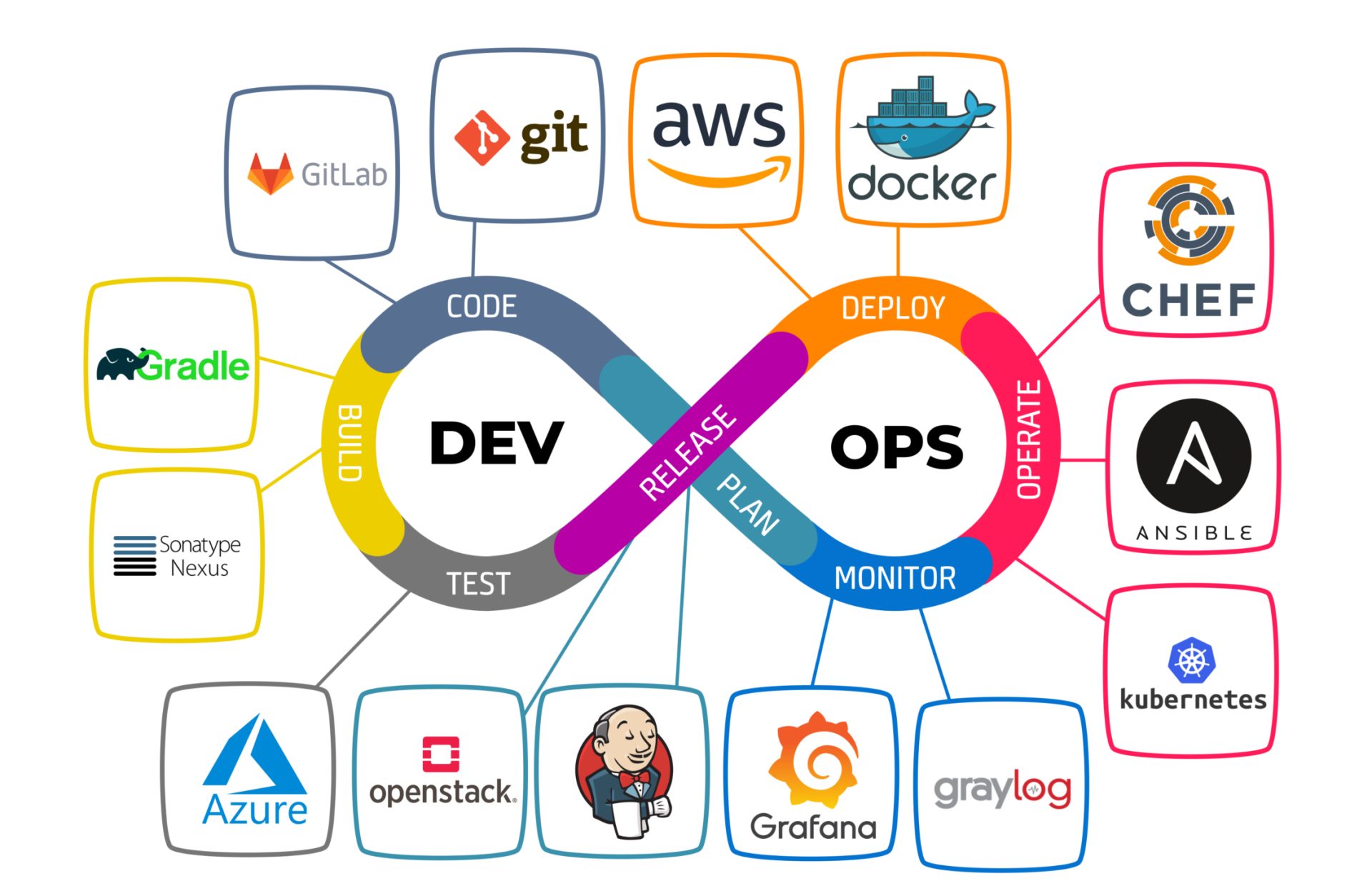
Imagine crafting the perfect CI/CD pipeline, automating infrastructure, and empowering development teams – only to realize you haven't automated your own financial future. As Dev Ops engineers, we're masters of orchestration, but are we conducting our retirements with the same precision?
Many tech professionals, focused on the immediate demands of their careers, find themselves facing uncertainty when contemplating long-term financial security. Navigating investment options, understanding tax implications, and forecasting future expenses can feel overwhelming, especially amidst the fast-paced and ever-evolving world of Dev Ops.
This blog post aims to guide Dev Ops engineers through the essential steps of retirement planning, addressing the unique challenges and opportunities presented by their career path. We'll explore strategies for building a robust retirement portfolio, maximizing savings potential, and ensuring a comfortable and fulfilling life after Dev Ops.
This article examines the crucial aspects of retirement planning tailored for Dev Ops engineers. We'll delve into maximizing 401(k) contributions, exploring diverse investment strategies, understanding tax-advantaged accounts, and planning for healthcare costs. Keywords: Dev Ops Engineer, Retirement Planning, Financial Security, Investment Strategies, 401(k), Tax-Advantaged Accounts, Healthcare Costs.
Understanding Your Current Financial Landscape
The first step in any successful retirement plan is a clear understanding of your current financial situation. This means taking stock of your assets, liabilities, income, and expenses. Several years ago, a younger colleague of mine, fresh out of college and diving headfirst into the world of cloud automation, confessed he hadn't even considered retirement planning. He was so focused on mastering Kubernetes and Terraform that the concept of needing a nest egg decades down the line seemed abstract. I shared my own experiences, admitting that I, too, had initially neglected retirement planning in my early career. I had been too busy chasing promotions and learning new technologies. But a wake-up call – seeing older colleagues struggle financially after retirement – motivated me to get serious. The key is to track your spending habits. Tools like Mint or Personal Capital can help you categorize your expenses and identify areas where you can save. Also, create a detailed balance sheet that outlines all your assets (savings accounts, investments, real estate) and liabilities (mortgages, loans, credit card debt). Once you have a clear picture of your current financial standing, you can set realistic goals and develop a plan to achieve them. Consider using a financial advisor; they can help analyze your situation and create a personalized retirement plan that aligns with your goals and risk tolerance. Keywords: Financial Assessment, Budgeting, Net Worth, Financial Advisor, Retirement Goals.
Crafting a Diversified Investment Portfolio
Diversification is the cornerstone of a resilient investment portfolio. It involves spreading your investments across different asset classes, such as stocks, bonds, and real estate, to reduce risk. Many believe that a "set it and forget it" approach is sufficient, especially when starting early, but this is not the case. The key is to regularly review and adjust your portfolio to maintain your desired asset allocation and to account for changes in the market and your own life circumstances. For example, as you approach retirement, you may want to shift towards a more conservative portfolio with a higher allocation to bonds, which are generally less volatile than stocks. This helps protect your capital as you draw closer to the time when you will need to start withdrawing funds from your portfolio. Don't put all your eggs in one basket. Explore various investment options, including index funds, ETFs, mutual funds, and individual stocks. Consider investing in real estate or alternative assets like commodities or precious metals to further diversify your portfolio. Regular portfolio reviews are crucial to ensure your asset allocation remains aligned with your risk tolerance and retirement goals. Keywords: Asset Allocation, Stocks, Bonds, Mutual Funds, ETFs, Risk Tolerance, Investment Strategy.
The History and Evolution of Retirement Planning for Tech Professionals
The concept of retirement planning as we know it today is relatively recent, emerging alongside the rise of employer-sponsored pensions and Social Security in the 20th century. Before these programs, most people worked until they were physically unable to continue. For tech professionals, the landscape has changed dramatically even in recent decades. The rise of stock options and RSUs (Restricted Stock Units) as a significant component of compensation has added a new layer of complexity to retirement planning. Early tech workers often missed out on these opportunities or didn't fully understand their potential value. The tech industry is known for its rapid pace of innovation, which can also impact retirement planning. Skills can become obsolete quickly, requiring ongoing education and potentially affecting career longevity. Many tech professionals are also attracted to the entrepreneurial side of the industry, starting their own companies or joining early-stage startups. This can offer significant financial rewards but also comes with increased risk and uncertainty. It is important to adapt your retirement plan to account for the specific challenges and opportunities of the tech industry. This includes carefully managing stock options and RSUs, planning for potential career transitions, and diversifying your income streams. Retirement planning has evolved from a simple calculation of pension benefits to a complex and dynamic process that requires careful consideration of individual circumstances and market conditions. Keywords: Pensions, Social Security, Stock Options, RSUs, Career Longevity, Entrepreneurship, Tech Industry.
Hidden Secrets of Tax-Advantaged Retirement Accounts
Tax-advantaged accounts are powerful tools for building wealth, but many people don't fully understand their potential. The "secret" lies in leveraging these accounts to minimize your tax burden and maximize your investment returns. Consider a 401(k) or a traditional IRA. Contributions are made with pre-tax dollars, reducing your current taxable income. The money grows tax-deferred, meaning you don't pay taxes on the investment gains until you withdraw the money in retirement. While Roth accounts work differently, contributions are made with after-tax dollars, but the investment grows tax-free, and withdrawals in retirement are also tax-free. This can be particularly beneficial if you expect to be in a higher tax bracket in retirement. Understand the contribution limits for each type of account and try to max them out, especially if your employer offers a matching contribution to your 401(k). This is essentially free money that can significantly boost your retirement savings. Invest wisely within these accounts. Choose investments that align with your risk tolerance and retirement goals. Consider using a target-date fund, which automatically adjusts your asset allocation as you get closer to retirement. Tax-advantaged accounts are not a one-size-fits-all solution. Choose the right accounts based on your individual circumstances and tax situation. Keywords: 401(k), Traditional IRA, Roth IRA, Tax-Deferred Growth, Tax-Free Withdrawals, Contribution Limits, Target-Date Funds.
Recommendations for Maximizing Savings and Investments
Maximizing savings and investments involves a combination of strategic planning, disciplined execution, and ongoing monitoring. Start saving early, even if it's just a small amount. The power of compounding means that even small contributions made early in your career can grow significantly over time. Automate your savings. Set up automatic transfers from your checking account to your savings or investment accounts each month. This ensures that you are consistently saving without having to think about it. Track your progress and make adjustments as needed. Regularly review your retirement plan and make adjustments as needed based on changes in your income, expenses, or market conditions. The key to maximizing savings and investments is to develop a long-term plan, stick to it, and be willing to adapt as your circumstances change. Consider working with a financial advisor who can provide personalized guidance and help you stay on track to reach your retirement goals. Look for opportunities to increase your income. Negotiate a higher salary, take on side projects, or start a business. The more you earn, the more you can save and invest. Invest in your skills and knowledge. Continuously learning new technologies and skills can help you stay competitive in the job market and increase your earning potential. Keywords: Compounding, Automatic Savings, Financial Advisor, Income Optimization, Skills Development, Long-Term Planning, Retirement Goals.
The Importance of Catch-Up Contributions
Catch-up contributions are an important feature of many retirement plans that allow individuals age 50 and older to contribute more than the standard annual limit. This can be particularly beneficial for those who started saving late or who need to accelerate their retirement savings. Understand the catch-up contribution rules for each type of retirement account. For example, in 2023, the catch-up contribution limit for 401(k) plans is $7,500, while the catch-up contribution limit for traditional and Roth IRAs is $1,000. Take advantage of catch-up contributions if you are eligible. Even if you are already contributing the maximum amount to your retirement accounts, consider contributing the additional catch-up amount to further boost your savings. Consider the tax implications of catch-up contributions. For example, contributions to a traditional 401(k) or IRA are tax-deductible, while contributions to a Roth 401(k) or IRA are not. Catch-up contributions are a valuable tool for those who are nearing retirement and need to accelerate their savings. By understanding the rules and taking advantage of these contributions, you can significantly increase your chances of achieving a comfortable retirement. A financial advisor can help you assess your situation and determine whether catch-up contributions are the right strategy for you. Keywords: Catch-Up Contributions, 401(k), IRA, Retirement Savings, Tax Implications, Financial Advisor, Retirement Planning.
Tips for Staying Ahead of Healthcare Costs in Retirement
Healthcare costs are a significant concern for many retirees. Planning for these costs in advance is crucial to ensuring a comfortable and financially secure retirement. Explore your healthcare options. Medicare is the primary healthcare program for retirees in the United States, but it doesn't cover all costs. Consider purchasing supplemental insurance, such as Medigap or Medicare Advantage, to help cover the gaps in Medicare coverage. Consider the cost of long-term care. Long-term care expenses can be substantial, and Medicare doesn't cover most long-term care services. Consider purchasing long-term care insurance to protect yourself from these costs. Start saving for healthcare expenses early. Consider opening a health savings account (HSA) if you are eligible. HSAs offer a triple tax advantage: contributions are tax-deductible, earnings grow tax-free, and withdrawals for qualified healthcare expenses are tax-free. Staying ahead of healthcare costs in retirement requires careful planning and proactive management. By exploring your options, saving early, and staying healthy, you can minimize your healthcare expenses and ensure a comfortable and financially secure retirement. Healthcare costs are unavoidable, so it's essential to plan for them. Keywords: Healthcare Costs, Medicare, Medigap, Medicare Advantage, Long-Term Care Insurance, Health Savings Account (HSA), Retirement Planning.
Understanding the Impact of Inflation on Retirement Savings
Inflation is the rate at which the general level of prices for goods and services is rising, and it can have a significant impact on your retirement savings. Understand how inflation erodes the purchasing power of your savings. What costs $100 today may cost $110 or more in the future due to inflation. Factor inflation into your retirement plan. When estimating your retirement expenses, be sure to account for inflation. A general rule of thumb is to assume an average inflation rate of 3% per year. Invest in assets that can outpace inflation. Some investments, such as stocks and real estate, have historically outpaced inflation over the long term. This is why it's important to have a diversified portfolio that includes these types of assets. Inflation is a silent thief that can erode the value of your retirement savings over time. By understanding how inflation works and taking steps to protect your savings from its impact, you can ensure a comfortable and financially secure retirement. Review your retirement plan regularly to adjust for any changes in inflation. Keywords: Inflation, Purchasing Power, Retirement Expenses, Stocks, Real Estate, Diversification, Retirement Planning.
Fun Facts About Dev Ops Engineers and Retirement
Did you know that many Dev Ops engineers are early adopters of new technologies, including financial technology? This often leads to a more informed and proactive approach to retirement planning. Many people believe that Dev Ops engineers, accustomed to automating everything, also automate their retirement savings and investment strategies. This can lead to more efficient and consistent savings habits. Many Dev Ops engineers are passionate about open-source technologies, and this extends to their approach to financial planning. They often prefer to use open-source tools and resources to manage their finances. The fast-paced nature of the Dev Ops profession can sometimes lead to burnout, making retirement planning even more important as a way to ensure financial security and a comfortable transition to a less demanding lifestyle. Some Dev Ops engineers even leverage their automation skills to create custom tools and scripts for tracking their investments and managing their finances. This demonstrates the unique way that their professional skills can be applied to personal finance. Retirement planning doesn't have to be a boring and tedious process. There are many fun and engaging ways to learn about personal finance and create a retirement plan that fits your individual needs and goals. Keywords: Automation, Fin Tech, Open-Source, Burnout, Custom Tools, Retirement Planning, Dev Ops Engineer.
How to Create a Realistic Retirement Budget
Creating a realistic retirement budget is essential for ensuring that you have enough money to cover your expenses throughout your retirement years. Start by estimating your retirement expenses. This includes both essential expenses, such as housing, food, and healthcare, and discretionary expenses, such as travel, hobbies, and entertainment. Consider the impact of inflation on your retirement expenses. As mentioned earlier, inflation can erode the purchasing power of your savings over time. Factor inflation into your budget to ensure that you have enough money to cover your expenses in the future. Identify your sources of retirement income. This may include Social Security, pensions, 401(k)s, IRAs, and other investments. A realistic retirement budget is a crucial tool for planning your financial future and ensuring a comfortable and secure retirement. It's a good idea to consult with a financial advisor to help you create a budget that meets your individual needs and goals. Review and adjust your budget regularly. As your expenses and income change over time, you'll need to adjust your budget accordingly. Keywords: Retirement Budget, Retirement Expenses, Inflation, Retirement Income, Social Security, Pensions, Financial Advisor.
What If I Haven't Started Saving for Retirement Yet?
It's never too late to start saving for retirement, even if you haven't started yet. The most important thing is to take action now and start making progress toward your retirement goals. Assess your current financial situation. Take a look at your income, expenses, assets, and liabilities. This will give you a clear picture of where you stand and how much you need to save. Set realistic retirement goals. Determine how much money you'll need to retire comfortably and how long you have to save. Start saving as much as you can, even if it's just a small amount. The power of compounding means that even small contributions can grow significantly over time. It's never too late to start saving for retirement. By taking action now, you can still achieve your retirement goals and enjoy a comfortable and financially secure retirement. Don't get discouraged if you feel like you're behind. Focus on what you can control and make the most of the time you have left. Keywords: Retirement Savings, Retirement Goals, Compounding, Financial Planning, Investment Strategy, Late Start, Retirement Planning.
A Listicle of Essential Retirement Planning Steps for Dev Ops Engineers
Here's a quick list of essential retirement planning steps tailored for Dev Ops engineers: 1. Calculate your estimated retirement expenses. Don't forget to factor in inflation and potential healthcare costs.
2. Assess your current savings and investments. Understand your asset allocation and risk tolerance.
3. Set realistic retirement goals. Determine how much you need to save and when you want to retire.
4. Maximize your contributions to tax-advantaged accounts. Take advantage of employer matching and catch-up contributions if eligible.
5. Diversify your investment portfolio. Spread your investments across different asset classes to reduce risk.
6. Review and adjust your retirement plan regularly. Make sure it still aligns with your goals and adapt to changing market conditions.
7. Consult with a financial advisor. Get personalized guidance and support to stay on track.
8. Stay informed about financial news and trends. Keep up-to-date on changes that could affect your retirement savings.
9. Plan for unexpected expenses. Have an emergency fund to cover unexpected costs.
10. Enjoy the process! Retirement planning doesn't have to be stressful. Embrace the opportunity to create a secure and fulfilling future. These steps can help you take control of your financial future and enjoy a comfortable and secure retirement. Remember that it's a journey, not a destination, so be patient and persistent. Keywords: Retirement Planning, Dev Ops Engineer, Financial Planning, Investment Strategy, Retirement Goals, Tax-Advantaged Accounts, Financial Advisor.
Question and Answer about Dev Ops Engineer Retirement: Technology Professional Planning
Q: How much should a Dev Ops Engineer aim to save for retirement?
A: There's no one-size-fits-all answer, but a common guideline is to aim for 25 times your annual expenses in retirement. Consider your lifestyle, healthcare needs, and desired retirement age when calculating your target savings.
Q: What are some common retirement planning mistakes Dev Ops Engineers make?
A: Neglecting retirement planning early in their careers, not diversifying their investments, underestimating healthcare costs, and failing to adjust their plans as their circumstances change are all common pitfalls.
Q: How can Dev Ops Engineers leverage their tech skills for retirement planning?
A: They can use budgeting and investment tracking apps, automate their savings contributions, and even build custom tools to analyze their financial data. Their analytical skills are valuable in assessing investment options.
Q: What role does Social Security play in retirement planning for Dev Ops Engineers?
A: Social Security can provide a foundation of retirement income, but it's generally not enough to cover all expenses. It's important to estimate your Social Security benefits and factor them into your overall retirement plan.
Conclusion of Dev Ops Engineer Retirement: Technology Professional Planning
Retirement planning for Dev Ops engineers requires a proactive and strategic approach. By understanding your current financial landscape, crafting a diversified investment portfolio, leveraging tax-advantaged accounts, and staying informed about healthcare costs, you can build a secure and fulfilling retirement. Don't wait – start planning today and take control of your financial future.
Post a Comment